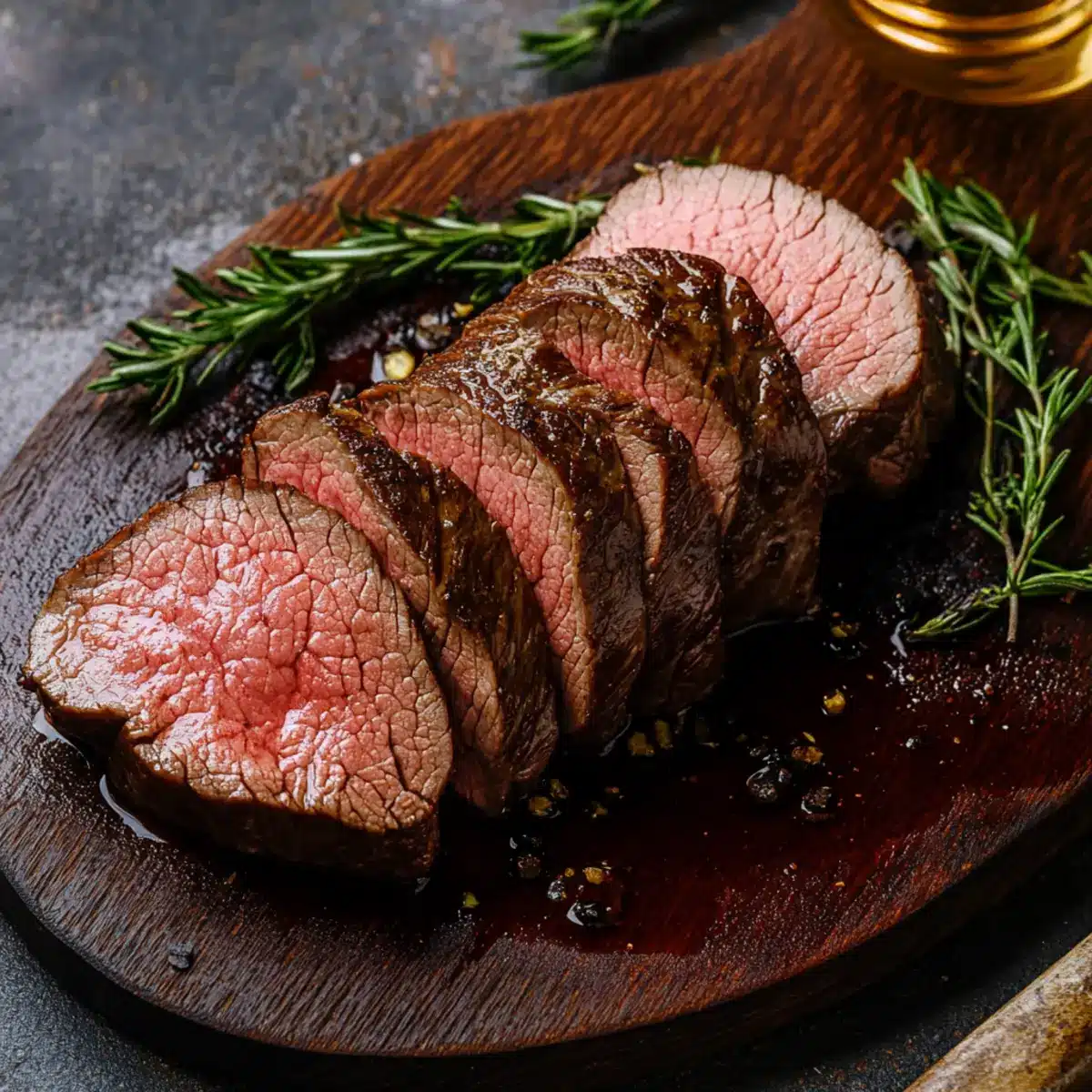
Restaurant-Quality Beef Tenderloin: Easier Than You Think
Imagine serving a melt-in-your-mouth, perfectly cooked beef tenderloin that tastes like it came straight from a five-star restaurant. What if we told you this culinary masterpiece is not only achievable in your home kitchen but surprisingly simple to execute? Beef tenderloin, often seen as the pinnacle of gourmet dining, is the ultimate show-stopping centerpiece for holidays, special occasions, or even an elevated weeknight dinner. Its reputation for being incredibly tender and flavorful makes it a sought-after cut, and with our straightforward guide, you'll master it like a seasoned chef.
This article will demystify the process of cooking beef tenderloin, guiding you through selecting the right equipment, choosing the best roasting method for your needs, and ensuring every slice is juicy, tender, and bursting with flavor. Get ready to impress your guests and your palate with this foolproof recipe.
Why Beef Tenderloin Reigns Supreme in Home Cooking
The allure of beef tenderloin isn't just in its elegant presentation; it's rooted in its unparalleled tenderness. This prized cut, from which the famous filet mignon is sourced, comes from a muscle along the cow's spine that sees very little work, resulting in exceptionally fine muscle fibers and very little connective tissue. This natural predisposition to tenderness means it requires less aggressive cooking methods and yields a consistently soft, buttery texture when prepared correctly.
While often associated with high-end dining and hefty price tags, the secret to its success in a home kitchen is its forgiving nature and relatively quick cooking time. Unlike tougher cuts that demand hours of slow braising, a beef tenderloin roast can go from pan to plate in under an hour, making it an ideal choice when you want to create an impressive meal without spending all day in the kitchen. It truly offers that "fancy but fast" experience. To ensure you have enough for everyone, plan on purchasing about ½ pound of uncooked beef tenderloin per person.
Essential Equipment for Your Tenderloin Triumph
Before you even think about seasoning your beautiful beef tenderloin, ensuring you have the right tools for the job is crucial. Investing in a few key pieces of equipment will make all the difference in achieving that perfectly roasted result and streamline your cooking process.
- Roasting Pan with a Rack: This is non-negotiable for optimal roasting. A good roasting pan should be sturdy, preferably with a heavy, flat bottom and sides 2 to 3 inches high. The rack is paramount because it elevates the meat above the pan's surface. This elevation allows hot air to circulate evenly around the entire roast, ensuring consistent cooking and preventing the bottom from steaming in its own juices. If you don't have a dedicated roasting pan with a rack, a 13x9-inch baking pan with an oven-safe wire rack placed inside works wonderfully. Opt for nonstick or dishwasher-safe options for easier cleanup.
- Oven-Going Meat Thermometer: This tool is your best friend when cooking expensive cuts like beef tenderloin. An oven-going meat thermometer stays in the thickest part of the meat throughout the roasting process, allowing you to monitor the internal temperature without constantly opening the oven door. This precision prevents overcooking, which is the cardinal sin when it comes to tenderloin. If you lack an oven-going model, an instant-read thermometer is a good alternative, used towards the end of cooking to check doneness quickly.
- Heavy-Bottomed Skillet (Optional but Recommended for Searing): While some methods skip the initial sear, a cast-iron or heavy stainless steel skillet can create an incredible crust on your tenderloin before it goes into the oven, locking in juices and adding depth of flavor.
Mastering the Art of Roasting Beef Tenderloin: Two Foolproof Methods
When it comes to cooking beef tenderloin in the oven, there are two primary strategies, each yielding spectacular results. Both focus on achieving perfect internal doneness while developing a flavorful exterior.
The Fast & Fabulous High-Heat Approach
This method is ideal when you're short on time but still crave that restaurant-quality finish. It prioritizes efficiency without sacrificing flavor or tenderness. For more in-depth tips on this method, check out our guide on Master Beef Tenderloin: Fast Oven Roasting & Doneness Tips.
- Preheat Your Oven: Start by preheating your oven to a high temperature of 425°F (220°C).
- Prepare the Tenderloin: Season your beef tenderloin generously with salt, freshly ground black pepper, and any desired herbs or spices. Place the seasoned tenderloin directly on the rack within your roasting pan.
- Insert Thermometer: Carefully insert an oven-going meat thermometer into the thickest part of the meat, ensuring it doesn't touch any bone or the pan. Avoid adding water to the pan or covering the roast, as this will steam the meat rather than roast it.
- Roast to Perfection: The cooking time will depend on the size of your tenderloin and your desired level of doneness. Use the following as a guide:
- For a 2- to 3-pound tenderloin:
- 35 to 40 minutes for medium-rare (135°F / 57°C)
- 45 to 50 minutes for medium (145°F / 63°C)
- For a 4- to 5-pound tenderloin:
- 50 to 60 minutes for medium-rare (135°F / 57°C)
- 60 to 70 minutes for medium (145°F / 63°C)
- For a 2- to 3-pound tenderloin:
- The Crucial Rest: Once the desired internal temperature is reached, remove the tenderloin from the oven. Immediately tent it loosely with aluminum foil and let it rest for a minimum of 15 minutes before carving. This resting period is critical; it allows the juices to redistribute throughout the meat, ensuring every bite is moist. During this time, the internal temperature will also continue to rise by about 5-10 degrees (known as carryover cooking), reaching a perfect 145°F (63°C) for medium-rare or 160°F (71°C) for medium.
The Slow-Roast, Sear-Finish Perfection
For those who prefer a more even cook from edge to center, or are working with a larger roast, the slow-roast then high-heat finish method is an excellent choice. This two-step process ensures a beautifully tender interior with a crisp, browned exterior. Discover more about this method in our How to Cook Perfect Beef Tenderloin: Oven Roasting Secrets article.
- Initial Slow Roast: Begin by roasting your seasoned beef tenderloin at a lower oven temperature, typically around 250°F (120°C). This gentle heat slowly brings the internal temperature up, promoting incredibly even cooking and minimizing the risk of overcooking the outer layers.
- The Browning Boost: Once the tenderloin is within about 10-15 degrees of your target internal temperature (e.g., 120-125°F for a medium-rare finish), dramatically increase the oven temperature to 425°F (220°C). This high-heat blast creates that coveted, beautifully browned crust and caramelization on the exterior.
- Monitor and Rest: Continue roasting at the high temperature until your meat thermometer registers your desired doneness (135°F for medium-rare, 145°F for medium). As with the fast method, the resting period of 15 minutes, tented with foil, is absolutely essential.
Elevating Your Beef Tenderloin Experience
While simply roasting beef tenderloin to perfection is a triumph in itself, a few extra touches can transform your meal into an unforgettable dining experience.
- Seasoning & Searing: Don't underestimate the power of robust seasoning. Beyond salt and pepper, consider a simple rub of garlic powder, onion powder, and dried herbs like rosemary or thyme. For an even richer crust and depth of flavor, consider a quick sear on all sides in a very hot, heavy-bottomed skillet with a tablespoon of olive oil *before* transferring the tenderloin to the roasting pan. This initial sear creates a beautiful Maillard reaction, locking in juices and adding a layer of savory complexity.
- The Perfect Sauce: A complementary sauce can truly take your beef tenderloin recipe to the next level. A classic choice, as mentioned in our references, is a creamy, tangy whipped horseradish sauce. Its piquant notes cut through the richness of the beef beautifully. Other excellent options include a sophisticated red wine reduction, a classic béarnaise sauce, or even a quick pan sauce made from the roasting drippings, deglazed with a splash of broth or wine.
- Thoughtful Pairings: Complete your meal with sides that complement the elegance of the beef. Roasted asparagus, garlic mashed potatoes, a wild mushroom medley, or a vibrant green salad with a light vinaigrette all make wonderful accompaniments.
Serving restaurant-quality beef tenderloin at home doesn't require a culinary degree. With the right equipment, a clear understanding of cooking temperatures, and these straightforward methods, you can confidently prepare this magnificent cut for any occasion. Whether it's a festive holiday feast or a special weeknight treat, mastering beef tenderloin will undoubtedly make you the star of your kitchen. So go ahead, choose your method, embrace the simplicity, and enjoy the exquisite reward!
