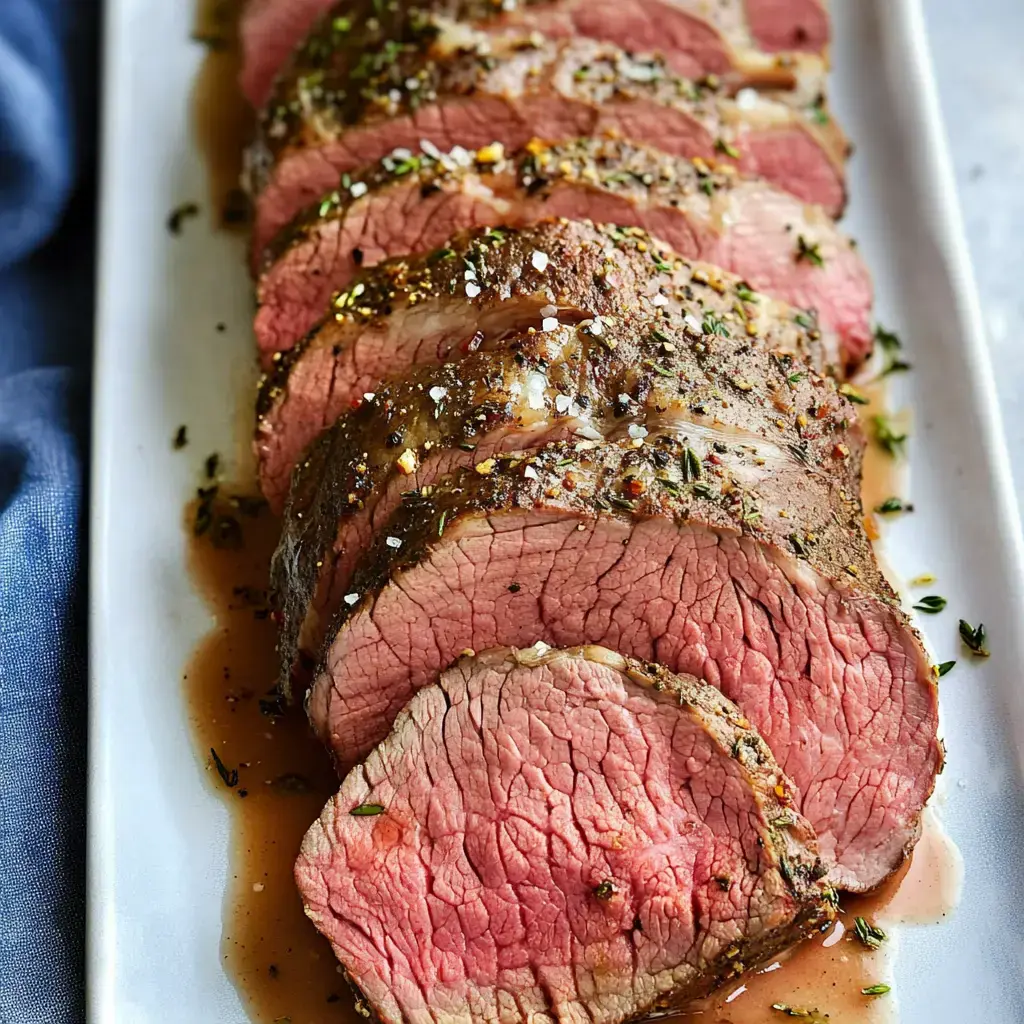
Unlocking the Secrets to Perfect Oven-Roasted Beef Tenderloin
There are few dishes as inherently impressive and utterly delicious as a perfectly cooked beef tenderloin. This luxurious cut, often reserved for special occasions and holiday centerpieces, boasts an unparalleled melt-in-your-mouth tenderness that can transform any meal into a gourmet experience. While it may seem daunting to achieve restaurant-quality results at home, mastering oven roasting secrets for beef tenderloin is surprisingly accessible and yields truly spectacular flavors. Forget the myth that fancy food requires endless hours in the kitchen; with the right techniques, you can create a show-stopping roast that will have your guests raving.
Our comprehensive guide will walk you through everything you need to know, from essential equipment to precise cooking methods and crucial resting times. Get ready to elevate your culinary game and discover how simple it is to prepare a juicy, flavorful, and incredibly tender beef tenderloin that tastes like it came straight from a five-star restaurant.
Why Beef Tenderloin is the Ultimate Choice for Special Occasions
At the heart of every unforgettable feast lies a star ingredient, and for many, that’s the beef tenderloin. This premium cut is renowned for being the most tender section of beef, largely due to its location along the steer's spine, which sees very little use. It's the same cut from which the beloved filet mignon is derived, making it inherently delicate and rich in flavor when cooked correctly.
Beyond its exceptional tenderness, beef tenderloin is also incredibly versatile. Its mild, buttery flavor pairs beautifully with a wide array of seasonings and sauces, from simple salt and pepper to herbaceous rubs and rich demi-glaces. Serving a whole roasted beef tenderloin makes a grand statement without demanding hours of intricate preparation, leaving you more time to enjoy the company of your guests. When planning your meal, a good rule of thumb is to allow for about ½ pound of raw tenderloin per person to ensure everyone gets a generous, satisfying portion.
Essential Equipment for Roasting Success
To achieve culinary perfection with your beef tenderloin, having the right tools is paramount. While you don't need a professional kitchen setup, a few key pieces of equipment will make all the difference in ensuring even cooking and optimal results.
- Roasting Pan with a Rack: This is non-negotiable for an evenly cooked roast. A good roasting pan should be sturdy, shallow (with sides about 2-3 inches high), and feature a heavy, flat bottom. The accompanying rack is crucial as it elevates the meat, allowing heat to circulate efficiently around all sides and preventing the bottom from steaming in its own juices. If you don't have a dedicated roasting pan with a rack, a 13x9-inch baking pan with an oven-safe wire rack placed inside will work just as well. Opting for a nonstick or dishwasher-safe pan can also significantly simplify cleanup.
- Oven-Going Meat Thermometer: This is your secret weapon against overcooking. An oven-safe probe thermometer allows you to monitor the internal temperature of your beef tenderloin continuously without opening the oven door, providing real-time accuracy. Alternatively, a reliable instant-read thermometer is essential for quick checks towards the end of the cooking process. Guessing doneness is a recipe for disappointment, especially with a cut as valuable as tenderloin.
- Heavy-Bottomed Skillet (Optional, but Recommended for Searing): If you choose to sear your tenderloin before roasting (which we highly recommend for a superior crust), a large, heavy-bottomed skillet like cast iron or stainless steel is ideal for achieving a beautiful, even sear.
- Aluminum Foil: Essential for tenting the roast during its crucial resting period.
Mastering the Oven Roasting Techniques
The beauty of cooking beef tenderloin in the oven lies in its flexibility. There are two primary methods to achieve perfectly cooked results: a fast, high-heat approach and a more controlled, two-stage slow roast. Both can yield fantastic outcomes, depending on your preferences and available time.
The Fast & Furious High-Heat Method (425°F)
This method is ideal for those seeking a quicker route to a delicious tenderloin, perfect for a weeknight indulgence or when time is of the essence. While some recipes suggest skipping the sear, we find that a quick pre-sear greatly enhances the overall flavor and texture by creating a beautiful, caramelized crust through the Maillard reaction. For an even deeper dive into this technique, check out our guide on Master Beef Tenderloin: Fast Oven Roasting & Doneness Tips.
- Preparation is Key: Begin by removing your beef tenderloin from the refrigerator at least an hour before cooking to allow it to come closer to room temperature. This promotes more even cooking. Pat it thoroughly dry with paper towels. Season generously on all sides with kosher salt, freshly ground black pepper, and any desired herbs like rosemary or thyme.
- Optional Pre-Sear: Heat 1-2 tablespoons of high-smoke-point oil (like grapeseed or avocado) in a large, heavy-bottomed skillet over medium-high heat until shimmering. Carefully sear the tenderloin for 2-3 minutes per side, creating a rich brown crust all over. This step adds incredible depth of flavor but is technically optional if you're truly pressed for time.
- Preheat Oven & Position: Preheat your oven to a high heat of 425°F (220°C). Place the seared (or unseared) beef tenderloin directly onto the rack in your prepared roasting pan.
- Insert Thermometer: Insert an oven-safe meat thermometer into the thickest part of the roast, ensuring it doesn't touch any bone or the pan.
- Roast: Do not add water to the pan or cover the roast. Roast until the thermometer registers your desired doneness (see chart below). Here are approximate roasting times for a high-heat oven, though always rely on your thermometer:
- For a 2- to 3-pound tenderloin:
- 35 to 40 minutes for medium-rare (135°F / 57°C)
- 45 to 50 minutes for medium (145°F / 63°C)
- For a 4- to 5-pound tenderloin:
- 50 to 60 minutes for medium-rare (135°F / 57°C)
- 60 to 70 minutes for medium (145°F / 63°C)
- For a 2- to 3-pound tenderloin:
- Rest, Rest, Rest: This is arguably the most critical step! Once the desired internal temperature is reached, remove the tenderloin from the oven. Transfer it to a cutting board and immediately tent it loosely with aluminum foil. Let it rest for a full 15 minutes before carving.
The Low-and-Slow Approach for Enhanced Flavor and Even Cooking
For those who prefer a gentler cooking method that can result in an even more uniformly cooked interior and still achieve a gorgeous crust, the two-step low-and-slow roast is an excellent choice. This method involves starting at a lower temperature and then finishing with a blast of high heat.
- Preparation & Seasoning: As with the fast method, bring your beef tenderloin to room temperature, pat dry, and season thoroughly. Consider a slightly more robust rub for this method, as the longer cooking time allows flavors to meld beautifully.
- Low Temperature Roast: Place the tenderloin on a rack in a roasting pan. Roast at a low oven temperature, typically around 250°F (120°C). The exact time will depend on the size of your roast, but it will be significantly longer than the high-heat method (e.g., 1.5 to 2.5 hours for a 4-5lb roast, aiming for an internal temperature of about 120-125°F).
- High Heat Finish: Once the tenderloin is within 10-15 degrees of your final target temperature, increase the oven temperature to 425°F (220°C). Continue roasting for another 10-20 minutes, or until a beautiful browned crust forms and the internal temperature reaches your desired doneness.
- Resting: Just like the high-heat method, tent the roast with foil and allow it to rest for 15 minutes before carving.
This two-stage method offers a fantastic balance of tender interior and crispy exterior, often favored by chefs for its precision. For more advanced techniques and to truly master creating Restaurant-Quality Beef Tenderloin: Easy Recipe for Any Any Occasion, explore additional resources.
Achieving Perfect Doneness & Resting Secrets
The key to a truly magnificent beef tenderloin lies in precise temperature control and understanding the critical role of resting. Overcooked tenderloin is tough and dry, a tragic waste of a premium cut. Your meat thermometer is your best friend here.
- Internal Temperature Guidelines (Always measure in the thickest part):
- Rare: 125-130°F (52-54°C) - Very red center, cool
- Medium-Rare: 130-135°F (54-57°C) - Red center, warm
- Medium: 135-140°F (57-60°C) - Pink center, warm
- Medium-Well: 145-150°F (63-66°C) - Slightly pink center
- Well-Done: 150°F+ (66°C+) - No pink, grey throughout (generally not recommended for tenderloin)
The Magic of Resting: This step is non-negotiable! During roasting, the muscle fibers of the beef contract, pushing juices towards the center. If you cut into the tenderloin immediately, all those delicious juices will spill out, leaving you with a dry roast. Resting allows the muscle fibers to relax and the juices to redistribute evenly throughout the meat. Additionally, during this 15-minute rest, a phenomenon called "carryover cooking" occurs, where the internal temperature of the roast will continue to rise by another 5-10 degrees Fahrenheit. Therefore, always remove your tenderloin from the oven when it's 5-10 degrees *below* your target final temperature.
Elevating Your Beef Tenderloin Experience
A perfectly roasted beef tenderloin is a masterpiece on its own, but a few final touches can elevate it to truly legendary status.
- Carving with Care: Once rested, carve the tenderloin against the grain into ½ to ¾-inch thick slices. This ensures maximum tenderness in every bite.
- Sauces and Accompaniments: A classic pairing is a simple whipped horseradish sauce, which offers a delightful counterpoint to the richness of the beef. Other excellent options include a red wine reduction, a mushroom sauce, or a fresh chimichurri.
- Side Dishes: Complement the elegance of your tenderloin with roasted asparagus, creamy mashed potatoes, glazed carrots, or a vibrant mixed green salad.
Conclusion
Cooking a show-stopping, restaurant-quality beef tenderloin at home is well within your reach. By understanding the importance of proper preparation, using the right equipment, choosing your preferred roasting method, and mastering the art of precise temperature control and resting, you can consistently achieve a perfectly tender, juicy, and flavorful roast. This guide, drawing on the best secrets for oven roasting, equips you with the confidence and knowledge to create an unforgettable culinary experience for any special occasion. So, go ahead, grab that magnificent cut of beef, and prepare to impress!
