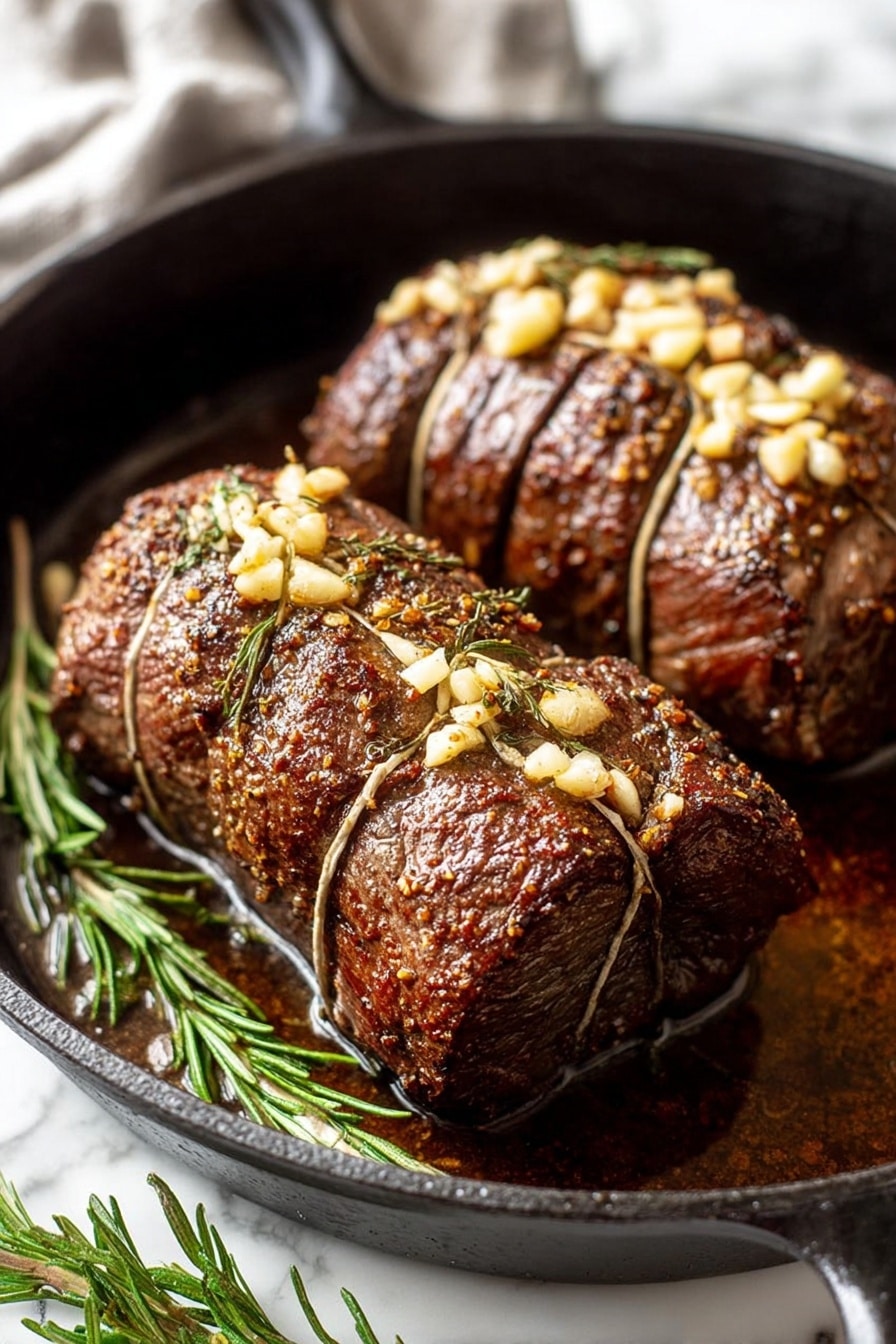
The very mention of beef tenderloin conjures images of luxurious dining, holiday feasts, and unforgettable culinary experiences. It's often perceived as a dish reserved for professional chefs or high-end restaurants, but what if we told you that mastering this melt-in-your-mouth cut can be surprisingly fast and incredibly straightforward, even in your home kitchen? Forget complicated techniques; with the right approach and a few expert tips, you can achieve a perfectly cooked, juicy, and flavorful beef tenderloin that will undoubtedly be the show-stopping centerpiece of any meal.
This article will guide you through a foolproof, fast oven roasting method, demystifying doneness, and equipping you with the knowledge to create a truly restaurant-quality beef tenderloin. Get ready to impress yourself and your guests without spending hours in the kitchen!
Why Beef Tenderloin Reigns Supreme on Your Table
So, what makes beef tenderloin such a sought-after cut? Simply put, it's the most tender cut of beef available. Located along the spine, this muscle sees very little work, resulting in its famously buttery texture. It's also the source of premium cuts like filet mignon, highlighting its inherent quality. Its delicate flavor profile allows it to truly shine with minimal seasoning, making it a versatile choice for a variety of culinary pairings.
While it feels fancy and extravagant, beef tenderloin is surprisingly easy to prepare for special occasions, holidays, or even an elevated weekend dinner. When planning your feast, a good rule of thumb is to budget approximately ½ pound of raw beef tenderloin per person. This ensures ample servings of this prized protein. And for an extra layer of flavor that elevates the entire dish, don't overlook simple yet powerful accompaniments like a zesty whipped horseradish sauce – it’s a game-changer that takes the meal from great to truly extraordinary.
Essential Tools for Tenderloin Perfection
Before you even think about seasoning your magnificent beef tenderloin, ensuring you have the right equipment is paramount to achieving flawless results. Just as a craftsman needs the proper tools, a home chef cooking such a premium cut benefits immensely from a few key items:
- Roasting Pan with a Rack: This is non-negotiable. Whether it's a dedicated roasting pan or a sturdy 13x9-inch baking pan with an oven-safe wire rack, the rack is crucial. It elevates the beef above its juices, allowing hot air to circulate evenly around the entire roast. This promotes uniform cooking and helps create that desirable all-around crust. Look for a pan with sides 2 to 3 inches high, a heavy, flat bottom for even heat distribution, and ideally, a nonstick or dishwasher-safe finish for easier cleanup.
- Oven-Going Meat Thermometer: This is your secret weapon for preventing overcooking and ensuring perfect doneness. An oven-going thermometer stays in the thickest part of the meat throughout the roasting process, allowing you to monitor the internal temperature without constantly opening the oven door and losing heat. If you don't have one, an instant-read thermometer used towards the end of cooking is a good alternative, but the oven-going variety offers superior convenience and accuracy. Remember, guesswork leads to disappointment when dealing with such a fine cut of beef.
- Sharp Carving Knife: Once your masterpiece is cooked, a sharp knife ensures clean, precise slices, presenting your beef tenderloin beautifully.
Investing in these basic tools will significantly enhance your beef tenderloin cooking experience and guarantee consistent, delicious outcomes.
The Fast Track to Perfection: High-Heat Oven Roasting
For those seeking a convenient yet undeniably delicious method, high-heat oven roasting is your best friend. This technique minimizes cooking time while maximizing flavor and tenderness. Here’s how to achieve a perfectly roasted beef tenderloin:
Step-by-Step High-Heat Method:
- Preheat Your Oven: Start by preheating your oven to a high temperature of 425°F (220°C). This intense heat is key to rapid cooking and developing a beautiful exterior crust.
- Prepare the Tenderloin: Pat your beef tenderloin dry with paper towels – this is crucial for a good sear and crust. Season generously with salt, freshly cracked black pepper, and any other desired herbs or spices (garlic powder, dried rosemary, thyme work wonderfully). Place the seasoned beef tenderloin directly on the rack within your roasting pan. For this fast oven method, pre-searing on the stovetop is generally not necessary, as the high oven heat will achieve a sufficient exterior browning. However, if you desire a more pronounced crust and have the time, a quick sear in an oven-safe skillet before transferring to the roasting pan is always an option.
- Insert the Thermometer: Carefully insert your oven-going meat thermometer into the thickest part of the tenderloin, ensuring it doesn't touch any bone or the pan itself. This provides the most accurate reading of the meat's internal temperature.
- Roast to Perfection: Place the roasting pan in your preheated oven. Resist the urge to add water to the pan or cover the roast with foil during cooking; this will steam the meat instead of roasting it, hindering the development of that desirable crust.
- Monitor and Remove: Roasting times will vary based on the size of your tenderloin and your desired doneness. Use your meat thermometer as your ultimate guide, but here are general estimates:
- For a 2- to 3-pound tenderloin:
- Medium-Rare (135°F / 57°C): 35 to 40 minutes
- Medium (145°F / 63°C): 45 to 50 minutes
- For a 4- to 5-pound tenderloin:
- Medium-Rare (135°F / 57°C): 50 to 60 minutes
- Medium (145°F / 63°C): 60 to 70 minutes
- For a 2- to 3-pound tenderloin:
- The Critical Rest: Once your beef tenderloin reaches your desired internal temperature, immediately remove it from the oven. Transfer it to a cutting board, tent it loosely with aluminum foil, and let it rest for a crucial 15 minutes. This resting period allows the juices to redistribute throughout the meat, ensuring every slice is incredibly moist and tender. During this time, the internal temperature will continue to rise by about 5-10 degrees, known as "carry-over cooking." So, if you're aiming for a final medium-rare of 145°F, remove it at 135°F.
For more detailed insights into achieving a consistently perfect beef tenderloin, explore our article on How to Cook Perfect Beef Tenderloin: Oven Roasting Secrets.
Understanding Doneness: Achieving Your Ideal Temperature
The key to a truly unforgettable beef tenderloin lies in cooking it to your preferred level of doneness. Overcooking this lean and tender cut can quickly lead to dryness, diminishing its exquisite texture. Mastering internal temperatures is therefore paramount.
Here’s a breakdown of doneness levels, their corresponding temperatures when you should remove the roast from the oven, and the approximate final temperature after resting:
- Rare: Remove at 120-125°F (49-52°C) for a final temperature of 125-130°F (52-54°C). The center will be cool and red.
- Medium-Rare: Remove at 130-135°F (54-57°C) for a final temperature of 135-140°F (57-60°C). The center will be warm and red. This is often considered the ideal doneness for tenderloin, showcasing its tenderness and juiciness without being overly rare.
- Medium: Remove at 135-140°F (57-60°C) for a final temperature of 140-145°F (60-63°C). The center will be pink throughout.
- Medium-Well: Remove at 145-150°F (63-66°C) for a final temperature of 150-155°F (66-68°C). The center will be slightly pink.
- Well-Done: Remove at 155-160°F (68-71°C) for a final temperature of 160°F (71°C) or higher. The meat will be mostly brown. While achievable, many believe this significantly diminishes the tenderloin's inherent qualities.
Always remember the critical role of the resting period. The "carry-over cooking" is essential – removing the beef at a slightly lower temperature allows it to finish cooking gently, retaining moisture, and reaching its perfect final doneness. A reliable meat thermometer is your best friend here, eliminating any guesswork and ensuring consistent, delicious results every single time. For more tips on achieving truly spectacular results, check out our guide on making Restaurant-Quality Beef Tenderloin: Easy Recipe for Any Occasion.
Beyond the Basics: Expert Tips for Next-Level Tenderloin
While the fast oven roasting method is excellent, a few additional considerations can elevate your beef tenderloin from great to absolutely extraordinary:
- Seasoning Strategy: Don't be shy with seasoning! A generous application of coarse salt and freshly ground black pepper at least 30 minutes before roasting, or even an hour beforehand (refrigerated), allows the flavors to penetrate the meat. Consider a simple rub of minced garlic, fresh rosemary, or thyme for aromatic depth.
- Trussing for Uniformity: If your tenderloin is uneven in thickness, consider trussing it with kitchen twine at 1-2 inch intervals. This helps create a more uniform cylindrical shape, ensuring it cooks evenly from end to end. Simply tying it tightly around the thinner tail end can also help it cook at the same rate as the thicker sections.
- Consider Your Sides: While the beef tenderloin is the star, thoughtfully chosen accompaniments enhance the entire meal. A vibrant green salad, roasted asparagus, creamy mashed potatoes, or a simple reduction sauce can perfectly complement its richness. And as mentioned, a tangy whipped horseradish sauce provides a fantastic counterpoint to the beef's savory notes.
- Slice Against the Grain: When carving, always slice against the grain of the meat. This shortens the muscle fibers, making each bite incredibly tender and easy to chew.
- The Slow Roast Alternative: While our focus is on fast roasting, it’s worth noting another popular method: slow roasting at a low temperature (e.g., 250°F) until almost done, then finishing with a blast of high heat (425°F) to create a beautiful brown crust. This method offers a more precise cook but takes longer. For busy cooks, our fast-roast technique delivers incredible results with less time.
With these insights and the foundational fast roasting method, you're now equipped to tackle beef tenderloin with confidence and achieve results that will leave a lasting impression.
Cooking a show-stopping beef tenderloin at home doesn't have to be intimidating or time-consuming. By following this fast oven roasting method, understanding the crucial role of a meat thermometer, and appreciating the importance of a proper rest, you can consistently achieve a perfectly tender, juicy, and flavorful roast. This elegant centerpiece is within every home cook's grasp, proving that restaurant-quality dining is indeed achievable in your own kitchen. So, grab your tenderloin, preheat that oven, and get ready to create an unforgettable meal that celebrates simplicity, quality, and incredible flavor.
